
Photobooth Startup Guide: 5 Steps from Planning to Opening
Self-service photo booths, known in Korea for the four-cut photo strip, have become a fixture of shopping streets, campuses and malls. They can run without staff and do not need a large store, which is why they are one of the first ideas people look at when planning a small business.
But a self photo studio is more than a machine in a room. Where you open, how the space looks, which equipment and software you choose, and how you run it after opening all show up in your sales. This guide breaks the preparation into five steps and lists what to check at each one.
Two decisions to make before you start
Business model: Joining an existing franchise or launching your own brand changes both your upfront cost and how much freedom you have.
Store format: Decide between a standalone studio with several booths or a photo kiosk placed inside an existing space such as a café or mall.
Once these are settled, the number of machines, the store size and the overall budget start to take shape.
Step 1. Market and location analysis
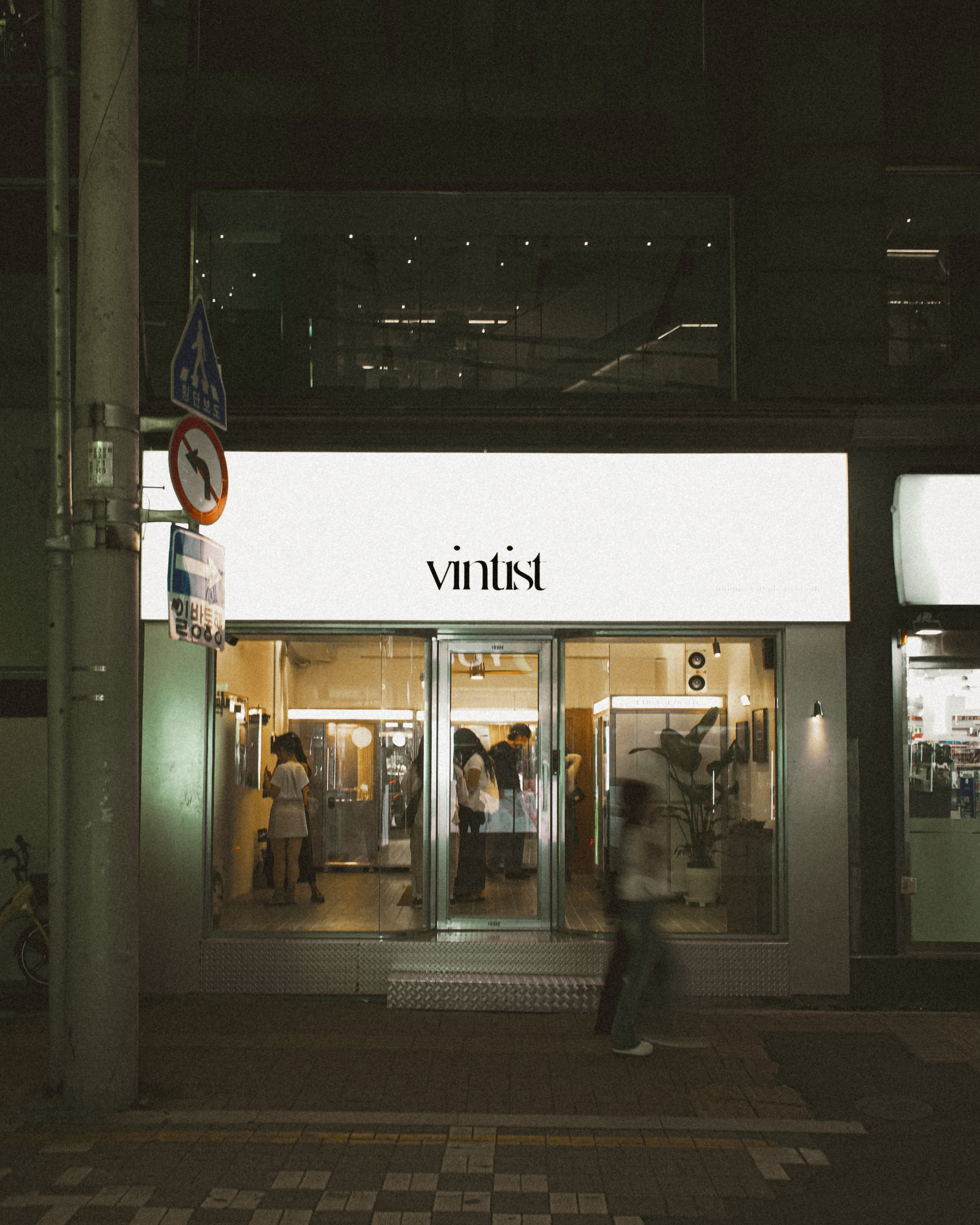
Location decides a large share of a photo studio's sales. The main customers are teens and people in their twenties who come with friends or partners. Check first whether they spend time in the area and whether your storefront is easy to see.
Foot traffic on weekends and in the evening, especially the share of younger visitors
Whether cafés, restaurants and entertainment keep people in the area
Ground-floor access and how visible the sign and entrance are
How many photo booth stores are nearby and what they are like
Deposit, monthly rent and other lease terms
Visit more than once: on weekdays and weekends, during the day and at night.
Step 2. Brand planning and space design
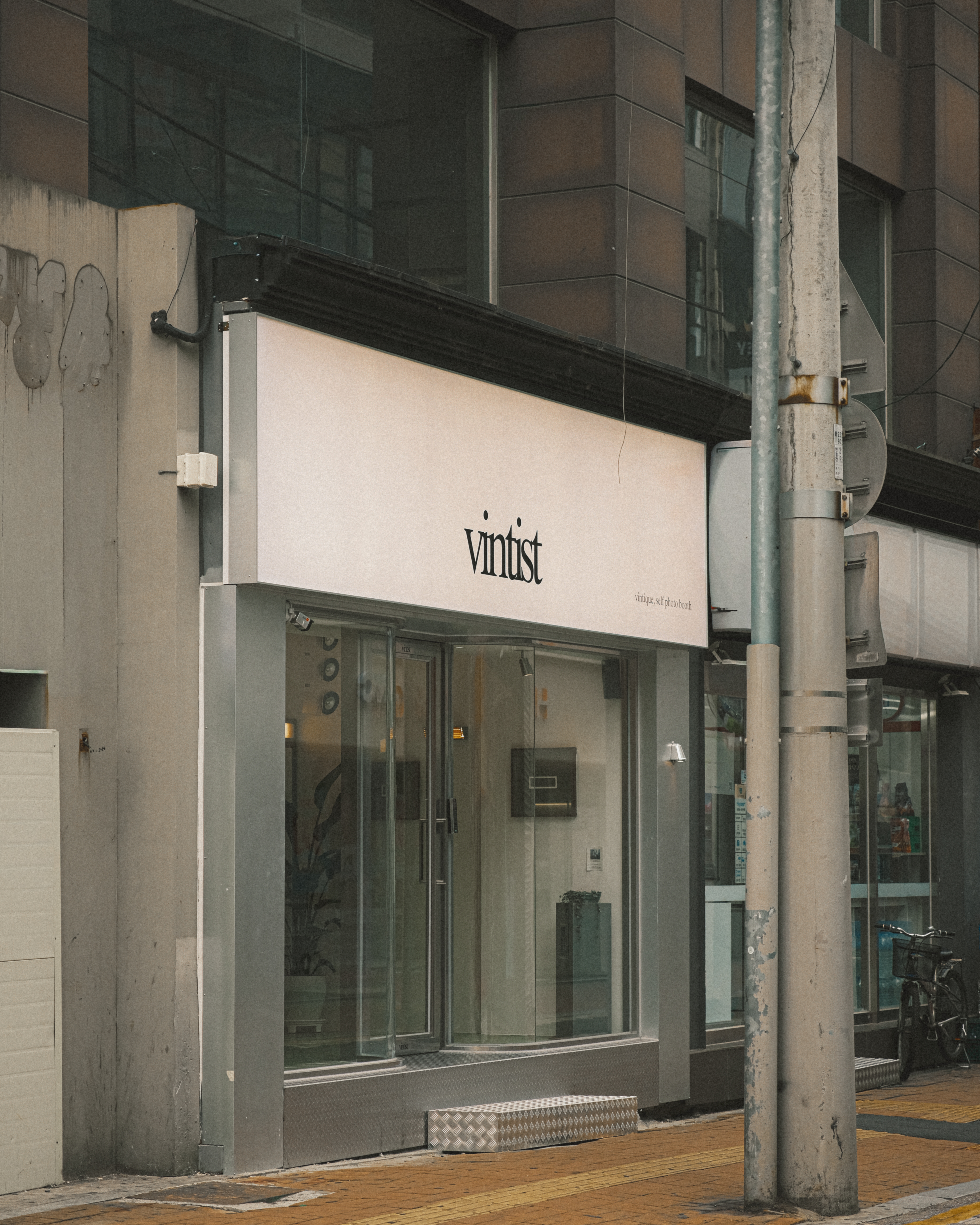
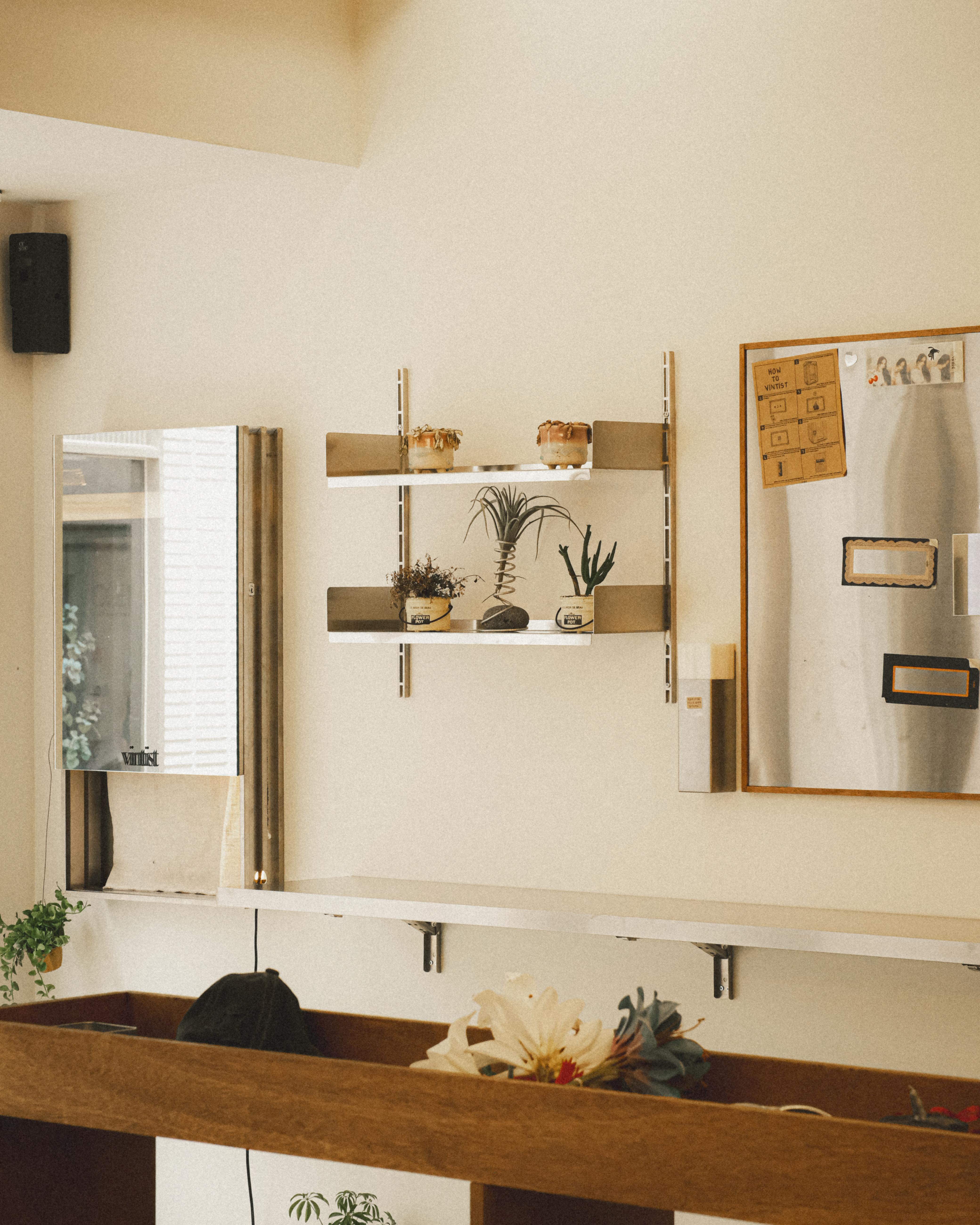
A photo booth store is a place to take photos and also a place that makes people want to take them. The concept, logo and colors, the waiting area and the props corner all affect repeat visits and social media sharing.
Plan the number and layout of booths, the flow when queues build up, space for props and mirrors, and lighting and signage together. If you finish the interior first and fit the equipment afterward, booth sizes or wiring can force rework. Confirm the equipment specifications first, then design the space around them.
Step 3. Software and operations setup
What customers actually experience is the capture screen and the prints, so the software you choose shapes how satisfied they are.
Capture and retouching: natural skin and brightness correction, plus filters and background options
Frames: how often and how easily you can switch seasonal and collaboration frames
Payments: whether it accepts cash, cards and mobile payments
Sales and settlement: whether you can see sessions and revenue per machine at a glance
Step 4. Installation and opening
Delivery, installation, payment terminal setup and print tests complete the preparation. Before opening, run the full flow from payment to print several times as a customer would, and learn how to replace consumables and whom to call when something goes wrong.
Step 5. Operations after opening
With no one on site, remote management is essential. You need to see machine status from anywhere and get an alert as soon as paper runs out or an error occurs, or you lose sales. Refreshing frames regularly is another key way to bring customers back.
Checklist before you start
Have you chosen a business model and store format?
Have you visited the site on weekdays and weekends, day and night?
Did you confirm equipment specifications before planning the interior?
Can you accept cash, cards and mobile payments?
Do you have remote monitoring and error alerts?
Can you keep frames and content up to date?
Is there after-sales service and a supply of consumables after installation?
Frequently asked questions
Can a self photo studio really run without staff?
Yes. The machines handle capture, payment and printing, so no one needs to be on site. Cleaning, tidying props and restocking paper still need to be done regularly, and remote monitoring reduces how often you have to visit.
What matters most when starting a photo booth business?
Location and content. A good location brings people in, and satisfying prints and frames bring them back and get shared. Reliable equipment is the foundation for both.
How long does preparation take?
It depends on the lease, the scope of the interior work and the equipment production schedule. It is best to set a concrete timeline after reviewing the location and store conditions during consultation.
Start your photo booth business with VISD
VISD is a photo kiosk solutions company that builds its own photo booth hardware and software. We support the whole process, from market analysis and brand planning to software setup, installation, opening and ongoing operations. Learn more on our startup solutions page, or send your questions through Contact.

SOFTWARE / HARDWARE / DESIGN / BRANDING / TECHNOLOGY / CONTENTS
CONTACT